
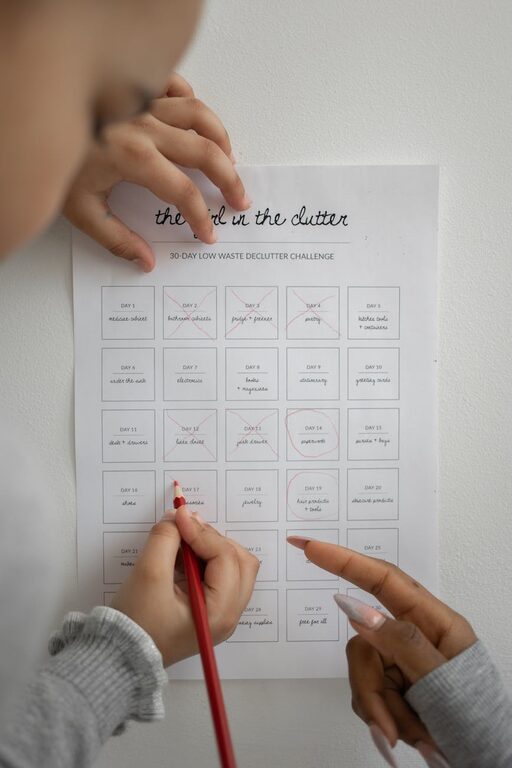
Keeping household paper clutter under control can feel like a never-ending task. Bills, receipts, school papers, junk mail, and important documents often pile up, creating stress and taking up valuable space. The good news is that with some simple strategies, you can reduce paper clutter and create a tidier home environment. In this post, we’ll share practical tips to help you organize, manage, and minimize paper in your household.
Why Reducing Paper Clutter Matters
Before we dive into the tips, let’s quickly look at why it’s important to tackle paper clutter:
– Saves time: Less paper means less time spent searching for documents.
– Reduces stress: A clean, organized space promotes calm and focus.
– Prevents loss: Important papers are less likely to get lost or damaged.
– Frees up space: Decluttering creates more room for the things you truly need.
Step 1: Sort and Categorize Your Paper
Start by gathering all your loose papers in one place. Then, sort them into categories such as:
– Bills and financial statements
– Receipts and warranties
– Personal documents (birth certificates, passports)
– School or work papers
– Junk mail and flyers
– Magazines and newspapers
Use labeled folders, boxes, or trays to keep papers grouped by category. This sorting step helps you see what you have and decide what to keep or discard.
Step 2: Go Digital Where Possible
One of the most effective ways to reduce paper clutter is by switching to digital formats. Here are some ways to do that:
– Opt for electronic billing: Sign up for e-statements and online bill pay to receive fewer paper bills.
– Scan important documents: Use a scanner or smartphone app to create digital copies of important papers.
– Organize digital files: Create folders on your computer or cloud storage labeled similarly to your paper categories.
– Use note-taking apps: For lists, reminders, or notes, apps can replace paper notebooks.
Going digital not only reduces physical clutter but also helps you find documents quickly.
Step 3: Create a Filing System
For papers you must keep in hard copy, a simple filing system is essential. Follow these tips:
– Use a portable file box or filing cabinet: Choose what fits your space and needs.
– Label clearly: Use broad categories like “Taxes,” “Medical,” “Home,” and “Personal.”
– Purge regularly: Schedule a monthly or quarterly review to remove papers you no longer need.
Keep active papers accessible and archived ones stored safely.
Step 4: Manage Incoming Paper
Controlling new paper before it adds to clutter is key. Try these habits:
– Open and sort mail immediately: Decide right away if a paper is trash, to be dealt with, or to be filed.
– Unsubscribe from junk mail: Use online tools to reduce unsolicited mail.
– Limit printed materials: Choose to see newsletters or flyers online if possible.
Handling paper as it arrives prevents piles from building up.
Step 5: Recycle and Shred Responsibly
Clearing clutter means disposing of unneeded paper correctly:
– Recycle general paper: Collect clean paper for recycling.
– Shred sensitive documents: Protect your privacy by shredding papers with personal information.
– Reuse scraps: Save blank backs of printed pages for notes or shopping lists.
Having a recycling bin and shredder nearby makes tackling paper waste easy.
Additional Tips for Paper Clutter Control
– Designate a “paper station”: A single spot for sorting and managing paper can keep things organized.
– Use binders for kids’ papers: Store artwork, report cards, and school projects in labeled binders.
– Set reminders: Schedule regular decluttering sessions on your calendar.
– Involve the family: Encourage everyone to follow the system for better upkeep.
Conclusion
Reducing household paper clutter is achievable with simple, consistent steps. Sorting your papers, going digital, setting up a filing system, managing incoming mail, and recycling responsibly all contribute to a cleaner, more organized home. Start today by tackling one category and watch your space transform into a clutter-free zone. With a little effort, paper clutter won’t weigh you down anymore.
Happy organizing!